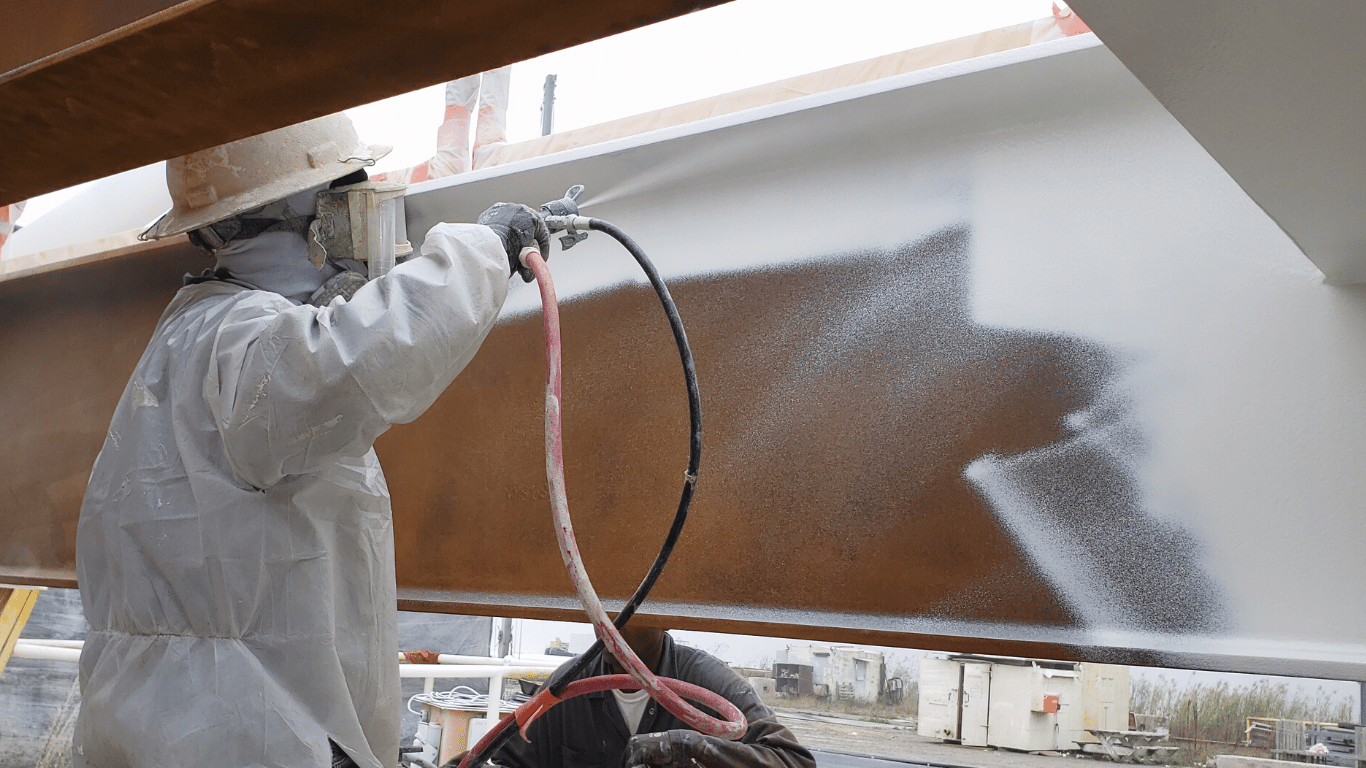
Best anti corrosion coatings for steel the degradation of steel through electrochemical oxidation is the single most persistent challenge in industrial infrastructure. Whether considering subsea pilings, petrochemical vessels, or the skeletal frames of high-span bridges, the conflict between structural metallurgy and environmental exposure is absolute. Protection against this degradation—typically categorized as corrosion mitigation—requires far more than the simple application of a chemical barrier. It demands a rigorous, science-driven approach to surface engineering.
When an asset management program treats coating as a modular, disposable component rather than a critical defensive system, the inevitable result is premature failure, compounding repair costs, and structural compromise.
This article explores the complexities of contemporary barrier systems. By moving past the superficial categorization of “paint,” we can begin to evaluate the true mechanical and chemical requirements of effective steel protection.
Understanding “best anti corrosion coatings for steel”
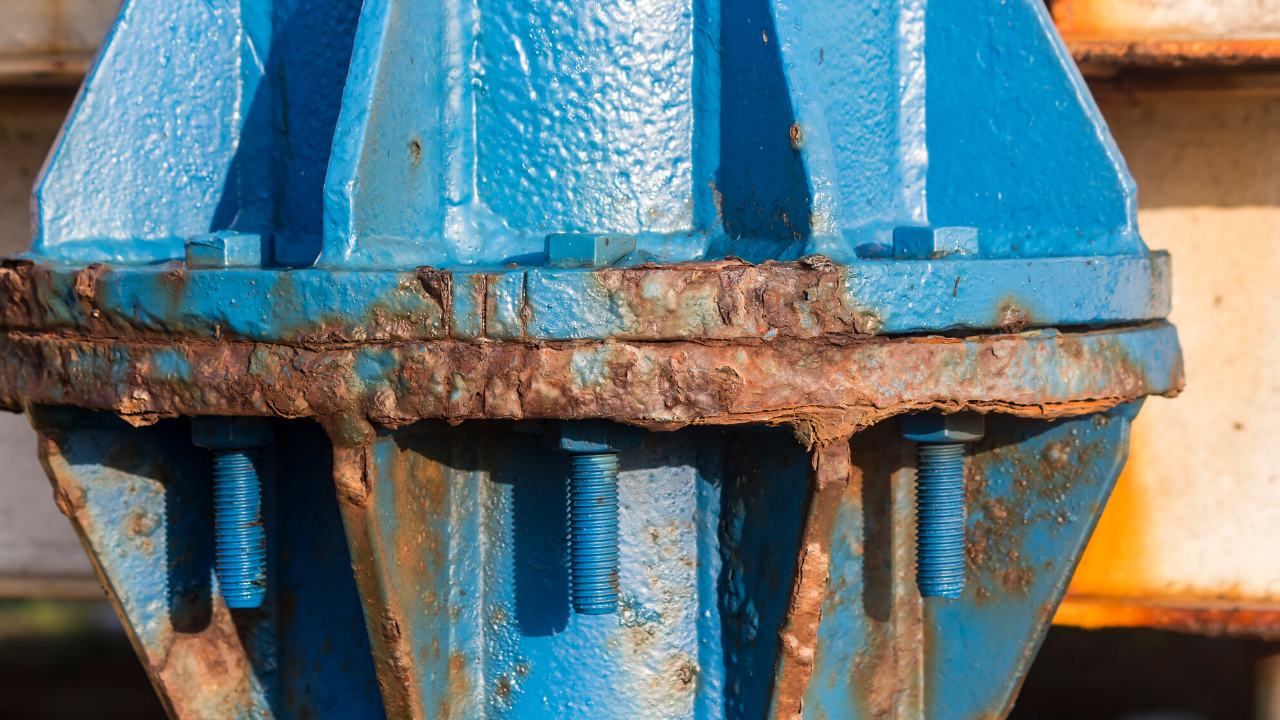
The inquiry into the best anti corrosion coatings for steel is often a fallacy of oversimplification. In the engineering world, “best” is a conditional variable dependent entirely upon the specific chemistry of the substrate and the thermodynamics of the operating environment. A system optimized for a sterile, interior laboratory environment will inevitably fail in a high-chloride, coastal industrial zone. Therefore, the search for the best coating must be reframed as a search for the most compatible protection system.
Common misunderstandings regarding these systems often center on the assumption that thickness equals durability. While film build is critical, an excessively thick coating can introduce internal stress, leading to delamination under thermal cycling. Similarly, the belief that modern resins are immune to surface preparation errors is a dangerous misconception.
Deep Contextual Background: The Evolution of Barrier Engineering
Best anti corrosion coatings for steel historically, iron and steel protection relied on heavy, lead-based primers or simple oil-based paints that required frequent, labor-intensive reapplication. The industry moved from basic barrier-style paints to sophisticated, plural-component polymers that provide both physical isolation and chemical inhibition. Today’s systems often involve a multi-layered architectural approach: a zinc-rich primer for cathodic (sacrificial) protection, an epoxy intermediate for high-build thickness and chemical impermeability, and a final topcoat for resistance to UV light, microbial growth, or mechanical abrasion.
Conceptual Frameworks and Mental Models Best Anti Corrosion Coatings For Steel
To manage these systems at scale, engineers utilize several refined mental models:
-
The Permeability Equilibrium Model: Evaluating the coating’s ability to allow moisture vapor to escape without allowing corrosive ions to enter.
-
The Mechanical Load Transfer Model: Conceptualizing the coating as an interface that distributes impact energy into the bulk substrate rather than absorbing it at the surface.
-
The Time-of-Wetness Index: Using local climatic data to determine the actual corrosivity class, aligning it with international standards like ISO 12944.
Key Categories, Trade-offs, and Decision Logic
Selection logic relies on weighing chemical resistance against application difficulty.
Decision Logic: When evaluating the best anti corrosion coatings for steel, employ the Substrate-Exposure-Life (SEL) Filter. Ask: Is the steel subject to immersion or atmospheric exposure? Does the structural design accommodate potential thermal expansion? What is the required service life before the first major maintenance intervention?
Real-World Scenarios and Failure Modes Best Anti Corrosion Coatings For Steel
Offshore Subsea Pilings
The constraint is constant chloride exposure and tidal surge. The best anti corrosion coatings for steel in this environment are typically glass-flake epoxy systems that resist moisture vapor transmission. Failure mode: “Edge effects,” where the coating thins at corners, causing rapid localized corrosion unless specifically reinforced with stripe-coat techniques.
Chemical Processing Plant
The constraint is pH variability and potential spills. The decision point is high-crosslink density novolac epoxies. Second-order effects: Rigid coatings may fail if the steel substrate is subject to significant vibration, leading to micro-cracking and under-film corrosion.
Planning, Cost, and Resource Dynamics
Investment in protective systems is often miscalculated by focusing solely on material costs. In reality, the surface preparation phase constitutes the majority of the financial and logistical burden.
Tools, Strategies, and Support Systems Best Anti Corrosion Coatings For Steel
-
Dry Film Thickness (DFT) Gauges: Necessary for compliance verification.
-
Holiday Detectors: High-voltage testing to identify pinholes.
-
Abrasive Profile Gauges: Essential for ensuring the substrate has the required anchor pattern.
-
Climate-Controlled Enclosures: Critical for managing humidity during the curing process.
-
Digital Maintenance Logs: Centralized tracking of inspection history by asset ID.
Risk Landscape and Failure Modes
Failures are rarely spontaneous; they are the result of compounding risk.
-
Contamination-Induced Delamination: Residual salts or oils prevent mechanical bonding.
-
Inter-coat Adhesion Failure: Resulting from missing the “re-coat window” for a specific resin.
Governance, Maintenance, and Long-Term Adaptation Best Anti Corrosion Coatings For Steel
A successful program requires a lifecycle approach rather than an event-based one.
-
Monitoring Cycles: Biannual visual audits; formal integrity assessments every three to five years.
-
Checklist: A multi-layered verification system for blast profile, mixing ratios, application thickness, and ambient climatic conditions.
Measurement, Tracking, and Evaluation
-
Leading Indicators: Surface profile cleanliness test (e.g., salt contamination levels), environmental logs during application.
-
Lagging Indicators: Time to first rust, coating loss percentage, cost per square meter per year of service.
-
Documentation Example: An “Asset Passport” that records the exact batch of coating used, the name of the applicator, and the weather conditions during application.
Common Misconceptions and Oversimplifications Best Anti Corrosion Coatings For Steel
-
“The coating is a sealer.” It is a complex membrane; it is not, and never will be, perfectly impermeable.
-
“High gloss means high durability.” Gloss is a surface finish; durability is a property of the molecular matrix and filler content.
-
“DIY kits provide industrial protection.” They lack the required chemistry and thickness for mission-critical assets.
-
“Repairing is always cheaper than recoating.” The cost of stripping a failed system can be significantly higher than a proactive maintenance coat.
Conclusion
The pursuit of the best anti corrosion coatings for steel is ultimately an exercise in disciplined engineering. By moving away from product-centric thinking and toward a systemic, lifecycle-based management framework, asset owners can ensure the longevity of their infrastructure. Successful protection is the result of aligning the physics of the environment with the chemistry of the barrier. The “best” solution is not a static product, but a living, data-informed strategy that accounts for the reality of the steel’s exposure, the necessity of rigorous preparation, and the discipline of ongoing maintenance.
Leave a Reply