Category: Industrial Coating Solutions

  • Engineering Durability: A Comprehensive Analysis of Protective Steel Treatments

    Engineering Durability: A Comprehensive Analysis of Protective Steel Treatments

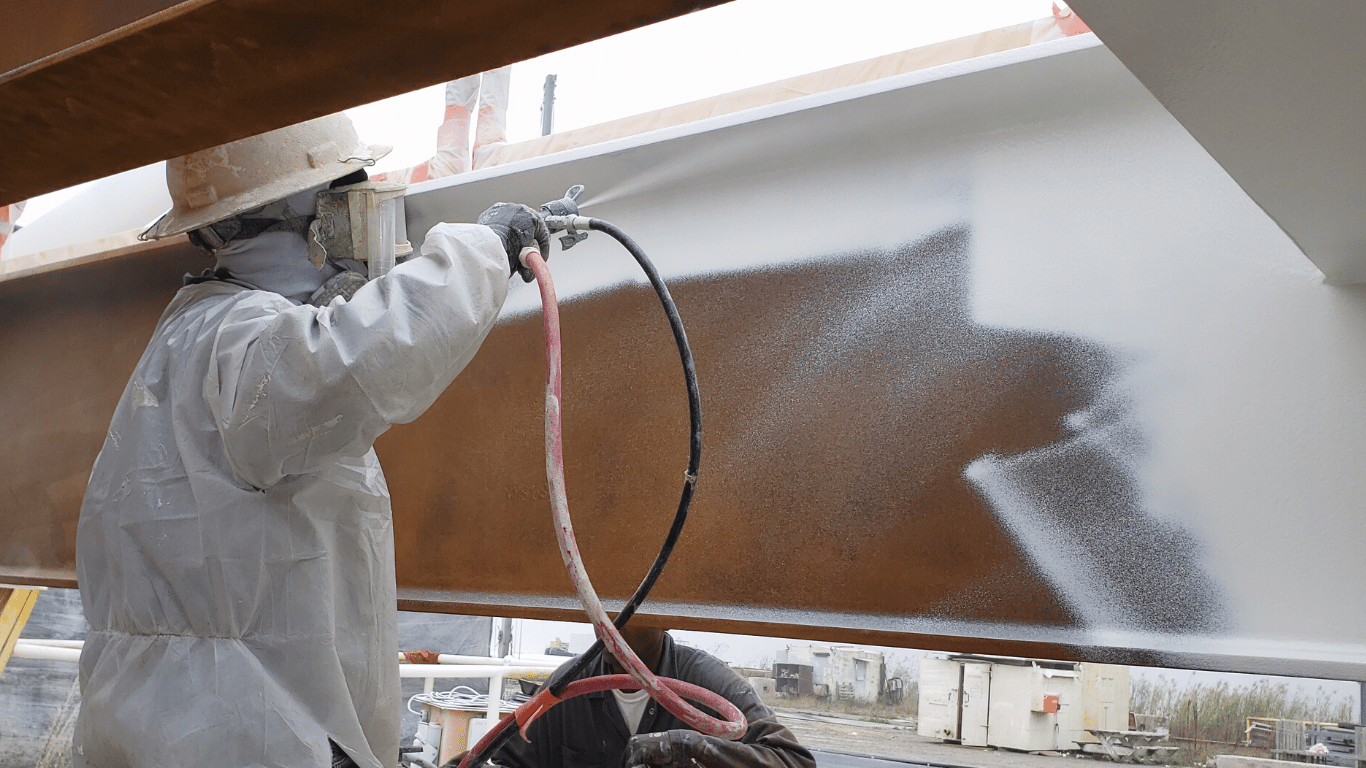
    Best anti corrosion coatings for steel the degradation of steel through electrochemical oxidation is the single most persistent challenge in industrial infrastructure. Whether considering subsea pilings, petrochemical vessels, or the skeletal frames of high-span bridges, the conflict between structural metallurgy and environmental exposure is absolute. Protection against this degradation—typically categorized as corrosion mitigation—requires far more than the simple application of a chemical barrier. It demands a rigorous, science-driven approach to surface engineering.

    When an asset management program treats coating as a modular, disposable component rather than a critical defensive system, the inevitable result is premature failure, compounding repair costs, and structural compromise.

    This article explores the complexities of contemporary barrier systems. By moving past the superficial categorization of “paint,” we can begin to evaluate the true mechanical and chemical requirements of effective steel protection.

    Understanding “best anti corrosion coatings for steel”
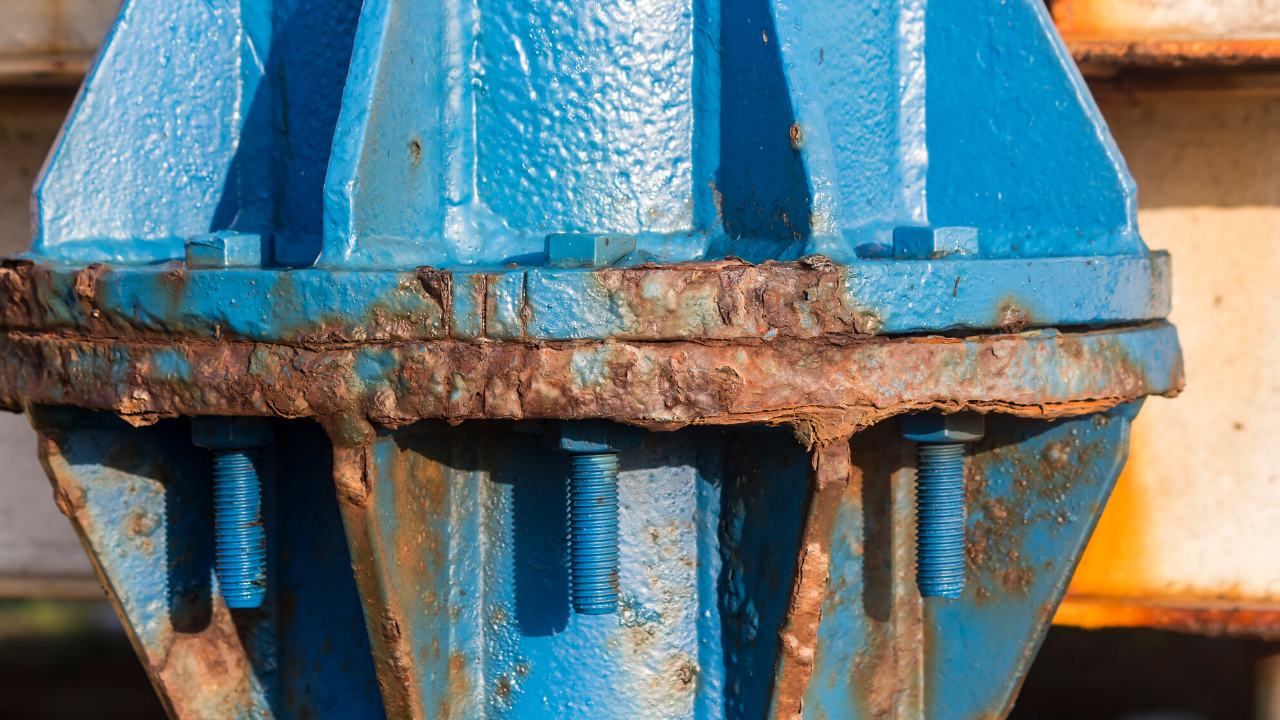
    The inquiry into the best anti corrosion coatings for steel is often a fallacy of oversimplification. In the engineering world, “best” is a conditional variable dependent entirely upon the specific chemistry of the substrate and the thermodynamics of the operating environment. A system optimized for a sterile, interior laboratory environment will inevitably fail in a high-chloride, coastal industrial zone. Therefore, the search for the best coating must be reframed as a search for the most compatible protection system.

    Common misunderstandings regarding these systems often center on the assumption that thickness equals durability. While film build is critical, an excessively thick coating can introduce internal stress, leading to delamination under thermal cycling. Similarly, the belief that modern resins are immune to surface preparation errors is a dangerous misconception.

    Deep Contextual Background: The Evolution of Barrier Engineering

    Best anti corrosion coatings for steel historically, iron and steel protection relied on heavy, lead-based primers or simple oil-based paints that required frequent, labor-intensive reapplication. The industry moved from basic barrier-style paints to sophisticated, plural-component polymers that provide both physical isolation and chemical inhibition. Today’s systems often involve a multi-layered architectural approach: a zinc-rich primer for cathodic (sacrificial) protection, an epoxy intermediate for high-build thickness and chemical impermeability, and a final topcoat for resistance to UV light, microbial growth, or mechanical abrasion.

    Conceptual Frameworks and Mental Models Best Anti Corrosion Coatings For Steel

    To manage these systems at scale, engineers utilize several refined mental models:

    • The Permeability Equilibrium Model: Evaluating the coating’s ability to allow moisture vapor to escape without allowing corrosive ions to enter.

    • The Mechanical Load Transfer Model: Conceptualizing the coating as an interface that distributes impact energy into the bulk substrate rather than absorbing it at the surface.

    • The Time-of-Wetness Index: Using local climatic data to determine the actual corrosivity class, aligning it with international standards like ISO 12944.

    Key Categories, Trade-offs, and Decision Logic

    Selection logic relies on weighing chemical resistance against application difficulty.

    Coating System Primary Advantage Key Technical Constraint
    Zinc-Rich Epoxy Sacrificial protection Requires near-white blast (Sa 2.5)
    Glass Flake Epoxy Exceptional barrier/permeability Extremely brittle; prone to cracking
    Aliphatic Polyurethane Superior UV/color stability Poor chemical immersion resistance
    Polysiloxane High temp/gloss longevity Higher material cost; thin application
    Cementitious Urethanes Thermal shock resistance Less aesthetic; thicker profile

    Decision Logic: When evaluating the best anti corrosion coatings for steel, employ the Substrate-Exposure-Life (SEL) Filter. Ask: Is the steel subject to immersion or atmospheric exposure? Does the structural design accommodate potential thermal expansion? What is the required service life before the first major maintenance intervention?

    Real-World Scenarios and Failure Modes Best Anti Corrosion Coatings For Steel

    Offshore Subsea Pilings

    The constraint is constant chloride exposure and tidal surge. The best anti corrosion coatings for steel in this environment are typically glass-flake epoxy systems that resist moisture vapor transmission. Failure mode: “Edge effects,” where the coating thins at corners, causing rapid localized corrosion unless specifically reinforced with stripe-coat techniques.

    Chemical Processing Plant

    The constraint is pH variability and potential spills. The decision point is high-crosslink density novolac epoxies. Second-order effects: Rigid coatings may fail if the steel substrate is subject to significant vibration, leading to micro-cracking and under-film corrosion.

    Planning, Cost, and Resource Dynamics

    Investment in protective systems is often miscalculated by focusing solely on material costs. In reality, the surface preparation phase constitutes the majority of the financial and logistical burden.

    Cost Component Relative Impact Variability Factor
    Surface Prep (Blasting) 60–70% High; labor-intensive
    Application Labor 20–25% Moderate; expertise-dependent
    Material Costs 5–15% Variable; system complexity

    Tools, Strategies, and Support Systems Best Anti Corrosion Coatings For Steel

    1. Dry Film Thickness (DFT) Gauges: Necessary for compliance verification.

    2. Holiday Detectors: High-voltage testing to identify pinholes.

    3. Abrasive Profile Gauges: Essential for ensuring the substrate has the required anchor pattern.

    4. Climate-Controlled Enclosures: Critical for managing humidity during the curing process.

    5. Digital Maintenance Logs: Centralized tracking of inspection history by asset ID.

    Risk Landscape and Failure Modes

    Failures are rarely spontaneous; they are the result of compounding risk.

    • Contamination-Induced Delamination: Residual salts or oils prevent mechanical bonding.

    • Inter-coat Adhesion Failure: Resulting from missing the “re-coat window” for a specific resin.

    Governance, Maintenance, and Long-Term Adaptation Best Anti Corrosion Coatings For Steel

    A successful program requires a lifecycle approach rather than an event-based one.

    • Monitoring Cycles: Biannual visual audits; formal integrity assessments every three to five years.

    • Checklist: A multi-layered verification system for blast profile, mixing ratios, application thickness, and ambient climatic conditions.

    Measurement, Tracking, and Evaluation

    • Leading Indicators: Surface profile cleanliness test (e.g., salt contamination levels), environmental logs during application.

    • Lagging Indicators: Time to first rust, coating loss percentage, cost per square meter per year of service.

    • Documentation Example: An “Asset Passport” that records the exact batch of coating used, the name of the applicator, and the weather conditions during application.

    Common Misconceptions and Oversimplifications Best Anti Corrosion Coatings For Steel

    1. “The coating is a sealer.” It is a complex membrane; it is not, and never will be, perfectly impermeable.

    2. “High gloss means high durability.” Gloss is a surface finish; durability is a property of the molecular matrix and filler content.

    3. “DIY kits provide industrial protection.” They lack the required chemistry and thickness for mission-critical assets.

    4. “Repairing is always cheaper than recoating.” The cost of stripping a failed system can be significantly higher than a proactive maintenance coat.

    Conclusion

    The pursuit of the best anti corrosion coatings for steel is ultimately an exercise in disciplined engineering. By moving away from product-centric thinking and toward a systemic, lifecycle-based management framework, asset owners can ensure the longevity of their infrastructure. Successful protection is the result of aligning the physics of the environment with the chemistry of the barrier. The “best” solution is not a static product, but a living, data-informed strategy that accounts for the reality of the steel’s exposure, the necessity of rigorous preparation, and the discipline of ongoing maintenance.

  • Architectural Resiliency: A Technical Analysis of Polyurea Coating Systems

    Architectural Resiliency: A Technical Analysis of Polyurea Coating Systems

    Compare polyurea coating systems polyurea chemistry occupies a unique, high-performance niche in the landscape of protective coatings. Unlike traditional polyurethane or epoxy resins, which rely on slower, catalyst-driven polymerization, polyurea is defined by the rapid-fire reaction between an isocyanate component and an amine-terminated resin. This instantaneous transition from liquid to solid state creates a highly cross-linked, elastomeric membrane that possesses physical properties often unmatched by older coating technologies.

    For the asset manager or engineer, the challenge lies not in identifying a “superior” product, but in mapping the specific chemical structure of a polyurea formulation to the unique environmental stressors of a given infrastructure project. Achieving this requires moving beyond the surface-level data sheets toward a systemic understanding of bond strength, permeability, and long-term chemical resistance.

    This article provides an authoritative deep dive into the engineering of polyurea, the parameters that dictate its performance, and the governance structures necessary for its successful deployment.

    Understanding “compare polyurea coating systems”

    To effectively compare polyurea coating systems, one must first decouple the material from the equipment used to apply it. A common point of confusion is the assumption that polyurea is a singular, homogeneous category. In reality, these systems range from pure polyureas—which are 100% solids, extremely fast-setting, and highly moisture-insensitive—to polyurea-polyurethane hybrids that attempt to balance the rapid cure of the former with the extended flow and leveling of the latter.

    Oversimplification poses a significant risk. Therefore, when stakeholders seek to compare polyurea coating systems, they must evaluate the “open time” and “viscosity profile” alongside the mechanical data. The “best” system is the one that accounts for the site’s ambient humidity, the operator’s equipment capabilities, and the desired modulus of elasticity for the specific environment.

    Deep Contextual Background: The Evolution of Amine Chemistry

    Compare polyurea coating systems polyurea technology emerged from the need for coatings that could withstand the environmental abuse that doomed traditional epoxies, particularly in high-traffic or high-thermal-shock zones. As regulations surrounding VOC emissions tightened, the 100%-solids nature of polyurea became a massive competitive advantage.

    Conceptual Frameworks and Mental Models Compare Polyurea Coating Systems

    1. The Reactivity Gradient: Visualizing the relationship between gel time (the transition from liquid to solid) and surface tension.

    2. The Adhesion-Cohesion Trade-off: Acknowledging that increasing the hardness of the membrane (for abrasion resistance) often decreases its elongation (flexibility).

    Key Categories, Trade-offs, and Decision Logic

    Category Typical Use Case Primary Limitation
    Pure Aromatic Polyurea Subsea/Below Grade Rapid UV chalking
    Aliphatic Polyurea Exterior Finish/Aesthetic Higher material cost
    Polyurea-PU Hybrids Industrial Flooring Lower heat resistance
    High-Elongation Membranes Crack-bridging/Roofing Lower abrasion resistance
    Reinforced Polyurea Structural Armor Requires specialized spray

    Decision Logic: When we compare polyurea coating systems, the final decision should rely on the Environment-Substrate-Cure (ESC) Algorithm:

    • Environment: Will it see UV light? If yes, exclude aromatic formulations.

    • Substrate: How fast can the surface be prepared? If the prep window is narrow, pure polyurea is superior due to moisture insensitivity.

    • Cure: Is the application temperature stable? If not, the hybrid approach may be necessary to ensure leveling.

    Detailed Real-World Scenarios Compare Polyurea Coating Systems

    Waste Water Infrastructure

    The constraint is hydrogen sulfide gas and severe humidity. Here, the system must be a pure, high-build polyurea with excellent chemical resistance. The failure mode is “pinholing” caused by outgassing from the concrete, requiring a specific moisture-tolerant primer to seal the substrate first.

    Parking Deck Traffic Surfaces

    The requirement is abrasion resistance and crack-bridging. A hybrid system is typically employed, providing the elasticity to span concrete shrinkage cracks while maintaining a tough, traffic-rated surface. Failure occurs when the substrate movement exceeds the membrane’s elongation limit.

    Planning, Cost, and Resource Dynamics

    The economic profile of polyurea is heavily weighted toward capital expenditure in equipment, with lower ongoing costs associated with long-term maintenance.

    Cost Component Relative Weight Variability Factors
    Equipment/Training High (Initial) One-time barrier to entry
    Surface Preparation Moderate Substrate condition-dependent
    Application Labor Low (Rapid) Speed of cure reduces time
    Raw Material Cost Moderate Formulation complexity

    Opportunity Cost Analysis: Because these systems cure so rapidly, the cost of project downtime is significantly lower than with epoxy or polyurethane, often justifying a higher initial material price.

    Tools, Strategies, and Support Systems

    1. Plural-Component Proportioners: High-pressure units are essential for maintaining the correct ratio.

    2. Infrared Moisture Meters: Critical for verifying substrate readiness.

    3. Cross-Hatch Adhesion Testers: For daily quality assurance.

    4. Climate Control Modules: To manage the humidity-reaction relationship.

    5. Digital Application Logs: Tracking ambient temperature and mix pressure.

    Risk Landscape and Failure Modes Compare Polyurea Coating Systems

    Failures in polyurea applications are systemic rather than accidental.

    • Adhesion Failure: The primary culprit is “surface contaminants” or “insufficient profile,” which prevents the rapid-curing membrane from achieving its required mechanical bond.

    • Formulation Imbalance: If the spray gun’s internal mixing chambers are clogged, the resulting stoichiometry will produce a “tacky” or “brittle” coating that will fail prematurely.

    Governance, Maintenance, and Long-Term Adaptation

    A successful program requires a lifecycle approach.

    • Layered Checklist: Pre-application (substrate profile), application (mix pressure/ratio), and post-application (pull-off test).

    • Review Cycles: Biannual inspection of high-wear areas, with proactive spot-repair plans for damage caused by localized mechanical impact.

    Measurement, Tracking, and Evaluation Compare Polyurea Coating Systems

    • Leading Indicators: Surface cleanliness logs (via solvent wipe tests) and environmental humidity tracking.

    • Lagging Indicators: Total thickness uniformity (DFT gauge) and adhesion strength values (psi).

    • Documentation Example: A master file for each asset including the chemical lot numbers, equipment calibration logs, and post-cure physical property reports.

    Common Misconceptions and Oversimplifications

    1. “Polyurea is waterproof.” It is a vapor barrier, but its ability to resist hydrostatic pressure depends on adhesion strength, not just thickness.

    2. “The equipment handles the quality.” Improper maintenance of the spray equipment is a leading cause of system failure.

    3. “All polyureas behave the same.” Formulations vary wildly in elongation and modulus; testing is mandatory.

    Conclusion Compare Polyurea Coating Systems

    The decision to utilize and compare polyurea coating systems requires a commitment to engineering discipline. These materials offer unprecedented performance for the most demanding environments, provided the underlying chemical and structural realities are respected. By focusing on the interaction between substrate profile, application kinetics, and long-term environmental stress, asset managers can deploy polyurea as a critical tool for infrastructure longevity.

  • Engineering Durability: A Comprehensive Analysis of Epoxy Surface Systems

    Engineering Durability: A Comprehensive Analysis of Epoxy Surface Systems

    Best epoxy coating options the selection of a protective floor or substrate treatment is rarely a matter of simple aesthetics. In high-traffic industrial, commercial, and specialized residential environments, the barrier between a concrete substrate and its operational hazards is a sophisticated chemical assembly. When we discuss long-term asset protection, the focus shifts from off-the-shelf kits to the rigorous engineering of resinous flooring systems designed to withstand thermal shock, chemical ingress, and mechanical abrasion.

    The discourse surrounding resinous flooring often suffers from a lack of technical nuance. It is common to see retail-level marketing conflated with industrial-grade engineering, resulting in high failure rates when systems are applied in environments they were never designed to inhabit. True performance is predicated on the synergy between the substrate’s porosity, the resin’s molecular weight, and the environmental conditions present during the cure.

    This analysis provides a deep-dive investigation into the selection, application, and governance of high-performance resinous coatings. It avoids the superficiality of consumer-grade “do-it-yourself” advice, focusing instead on the empirical realities of polymer chemistry, structural integrity, and long-term lifecycle management for those responsible for mission-critical infrastructure.

    Understanding “best epoxy coating options”

    Defining the “best” in a technical context is a process of elimination rather than selection. The best epoxy coating options are those that offer the highest degree of mechanical and chemical compatibility with the specific substrate and operational environment, not merely the most durable formulation on a data sheet. Misunderstandings abound here; an industrial-grade novolac epoxy, while chemically superior in a high-acid facility, may be a catastrophic failure in a high-UV, outdoor-exposed architectural application.

    The risk of oversimplification is high. A common error is the assumption that high solids content equals high quality. While higher solids generally reduce shrinking during cure, they also require significantly more sophisticated application techniques and climate control. Therefore, “best” is a relational term—it signifies the optimum point of convergence between moisture vapor transmission rates (MVTR), expected impact loads, and the specific chemical profile of the end-use environment.

    Deep Contextual Background: The Evolution of Polymer Flooring

    Best epoxy coating options the journey from early epoxy resins, which were notoriously brittle and prone to yellowing, to the modern generation of cycloaliphatic amines and polyaspartic hybrids has been driven by industrial necessity. Historically, the primary goal was basic surface hardening. Today, the design criteria have shifted toward flexible, high-build systems capable of bridging hairline cracks in concrete while maintaining extreme chemical resistance.

    This evolution is fundamentally a story of molecular tailoring. Engineers now specify polymers with specific cross-linking densities, allowing for a level of customization—such as electrical conductivity, anti-microbial properties, or high-traction profiles—that was technologically impossible two decades ago.

    Conceptual Frameworks and Mental Models Best Epoxy Coating Options

    To manage these systems effectively, one must adopt three primary models:

    • The Substrate-Interface-Film Model: Recognizes that the coating’s failure almost always occurs at the interface layer.

    • The Permeability Equilibrium Model: Essential for analyzing concrete slabs; the coating must allow the concrete to “breathe” or be moisture-tolerant to avoid delamination via hydrostatic pressure.

    • The Mechanical Stress Distribution Model: Viewing the coating as a load-transfer mechanism that distributes impact and rolling loads into the slab rather than absorbing them at the surface.

    Key Categories and Comparative Dynamics

    Category Typical Use Case Primary Limitation
    Bisphenol A Epoxies Standard warehouse floors Poor UV stability; yellowing
    Novolac Epoxies Chemical secondary containment High brittleness; slow cure
    Water-Based Epoxies Residential/low-traffic areas Low chemical/abrasion resistance
    Polyaspartic Hybrids Fast-cure rapid return-to-service Requires specialized application
    Conductive/ESD Epoxies Electronics manufacturing Requires complex grounding grid

    Decision Logic: When evaluating the best epoxy coating options, filter choices through a “Critical Failure Risk” matrix. If the substrate is a slab-on-grade without an effective vapor retarder, the decision logic dictates moving away from traditional dense epoxies toward high-permeability or moisture-tolerant cementitious-urethanes.

    Real-World Application Scenarios Best Epoxy Coating Options

    Pharmaceutical Cleanroom

    The constraint is zero tolerance for dusting and extreme chemical resistance to sterilization agents. The decision point is selecting an aliphatic-base coat to prevent chalking under high-intensity LED or UV lighting. Failure mode: Outgassing during cure.

    Food Processing Facility

    High thermal shock is the primary stressor (hot steam cleaning vs. cold rinse). Here, the best epoxy coating options are actually cementitious-urethane composites, which have a thermal expansion coefficient similar to concrete. Failure mode: Delamination due to thermal mismatch.

    Planning, Cost, and Resource Dynamics

    Investment in floor systems must be viewed over a 15-to-20-year horizon.

    Factor Range (Estimated) Impact on Performance
    Surface Prep (Mechanical) $1.50 – $4.00/sq.ft Highest
    System Material Cost $2.00 – $8.00/sq.ft Moderate
    Maintenance/Reseal $0.20 – $0.50/sq.ft/yr Moderate

    Opportunity costs are often ignored. Choosing the “cheaper” system usually results in a 3-year refresh cycle, which causes significant operational downtime.

    Tools, Strategies, and Support Systems Best Epoxy Coating Options

    1. Calcium Chloride/RH Tests: For moisture vapor testing.

    2. Diamond Grinders/Shot Blasters: For achieving the necessary CSP (Concrete Surface Profile).

    3. DFT (Dry Film Thickness) Gauges: For quality verification.

    4. Mixing Precision Tools: Automated dispensing units prevent ratio imbalances.

    5. Climate Control Modules: Industrial dehumidifiers and heaters.

    Risk Landscape and Failure Modes

    Taxonomy of risk:

    • Adhesive Failure: Due to contaminants (oils, silicates) on the concrete.

    • Cohesive Failure: Often caused by improper mixing or exceeding the pot life.

    • Osmotic Blistering: The result of trapped moisture reacting with ionic contaminants in the concrete.

    Governance, Maintenance, and Long-Term Adaptation Best Epoxy Coating Options

    A system is only as good as its maintenance protocol.

    • Review Cycles: Annual audit of high-traffic zones.

    • Adjustment Triggers: If coating thickness decreases by 20% due to abrasion, a topcoat refreshment is required before the primer layer is breached.

    • Checklist: Documenting daily usage, spill types, and cleaning methods.

    Measurement, Tracking, and Evaluation

    • Leading Indicators: Surface profile cleanliness test (water drop test), humidity at time of application.

    • Lagging Indicators: Coating loss per unit of traffic, chemical staining rate.

    • Documentation: Maintain an “Asset Passport” for the slab, including installation batch numbers, humidity logs, and site-specific photos.

    Common Misconceptions and Oversimplifications Best Epoxy Coating Options

    1. “Epoxy seals the floor.” It is not a perfect seal; water vapor can pass through or build pressure beneath.

    2. “Thicker is better.” Excess thickness increases internal stress and risk of cracking.

    3. “High-gloss is more durable.” Gloss is aesthetic; durability is dictated by the resin matrix and aggregate fillers.

    4. “It’s maintenance-free.” All resins require chemical-neutral cleaning and eventual topcoat refreshing.

    Conclusion

    The pursuit of the best epoxy coating options requires a departure from simplistic product comparisons toward a deep, systems-based engineering methodology. By recognizing that the floor is a structural assembly subject to dynamic environmental forces, stakeholders can make informed decisions that extend asset life and maximize performance. Ultimately, the best epoxy coating options are those that are correctly specified, perfectly applied, and rigorously maintained, transforming a vulnerable concrete surface into a resilient, long-term operational asset.

  • Precision Asset Protection: A Comprehensive Analysis of Industrial Coating Strategies

    Precision Asset Protection: A Comprehensive Analysis of Industrial Coating Strategies

    Top industrial coatings plans industrial infrastructure—the literal skeleton of modern civilization—exists in a state of perpetual, silent conflict with its environment. Whether it is a subsea pipeline, a chemical processing vessel, or the structural steel of a high-span bridge, every exposed surface is subject to the unrelenting thermodynamics of degradation. The industry often approaches this through fragmented maintenance cycles, yet the most resilient organizations treat protective barriers as a core component of asset integrity.

    This article examines the structural, chemical, and operational requirements necessary to design and manage effective coating programs. It moves beyond the simplistic view of “paint” to explore coatings as engineered, multi-layered chemical systems. When managed correctly, these systems are not merely aesthetic finishes but critical mechanical defenses that dictate the operational life of multi-million-dollar assets.

    Nukote Coating Systems+ 1

    The following analysis is intended for engineers, asset managers, and technical stakeholders who recognize that the cost of inaction far exceeds the cost of rigorous, data-driven protection strategies.

    Understanding “top industrial coatings plans”

    The phrase “top industrial coatings plans” is frequently misunderstood, often reduced to a generic list of product types or brand-name specifications. In professional practice, however, these plans are not products; they are comprehensive, risk-based operational documents. A plan is an integrated strategy that connects the initial metallurgy of the substrate with the specific chemical environment, the application environment, and the intended service life of the asset.

    Schmidt Industrial Services

    Common oversimplifications often lead to “specification drift,” where high-performance coatings are applied using substandard surface preparation methods, effectively nullifying the investment. A true plan accounts for the “triple constraint” of the coatings industry: Chemical Compatibility, Surface Energy, and Environmental Exposure. Without balancing these three, no amount of technical performance in a laboratory setting can guarantee success in the field. Consequently, “top industrial coatings plans” represent the intersection of chemical engineering, logistical planning, and financial lifecycle management.

    New Finish Inc.

    Deep Contextual Background: The Evolution of Barrier Chemistry

    Top industrial coatings plans historically, industrial protection relied on sacrificial materials and basic oil-based resins. The evolution of modern systems has been dictated by the necessity to reconcile high-performance demands with increasingly stringent environmental regulations regarding Volatile Organic Compounds (VOCs).

    The transition from traditional solvent-borne systems to high-solids, epoxy-based, and plural-component polyurea coatings reflects a systemic shift. Early systems focused almost exclusively on corrosion inhibition; contemporary strategies must now manage multi-modal threats: UV degradation, microbial-induced corrosion (MIC), extreme thermal cycling, and high-impact abrasion. The industry has moved from a “set it and forget it” mentality to a dynamic stewardship model where the coating is monitored as a living, degrading asset.

    Conceptual Frameworks and Mental Models Top Industrial Coatings Plans

    To manage large-scale coating programs, one must utilize structured thinking:

    • The Barrier/Inhibition Model: Viewing the system as a primary barrier (film thickness and impermeability) supported by an inhibition mechanism (sacrificial zinc or chemical passivators).

    • The Thermodynamic Environment Assessment: Evaluating the “time of wetness” and electrolyte concentration to determine the corrosivity category (typically aligned with ISO 12944 standards).

    • The Adhesion-Cohesion Balance: Understanding that the failure often occurs at the interface of the substrate, not within the bulk material.

    • The Life-Cycle Costing (LCC) Matrix: A model that shifts focus from “applied cost per square meter” to “cost per year of service life.”

    Key Categories, Trade-offs, and Decision Logic

    Selection is rarely about finding the “best” coating; it is about finding the most compatible one.

    Nukote Coating Systems
    Coating Type Primary Benefit Key Trade-off Ideal Environment
    Zinc-Rich Epoxies Sacrificial protection Requires near-white blast Structural steel in saline
    Glass Flake Epoxy Exceptional permeability resistance Brittle; prone to cracking Tank linings; splash zones
    Aliphatic Polyurethane Superior UV/color retention Sensitivity to high humidity Exterior piping/topcoats
    Polysiloxanes High-temp/gloss longevity Higher material cost Petrochemical plants
    Polyureas Rapid cure/high elongation Complex spray equipment Secondary containment

    Decision Logic: When selecting from top industrial coatings plans, apply the Substrate-Environment-Life (SEL) Filter:

    1. Substrate: Is it carbon steel, stainless, or concrete?

    2. Environment: What are the pH levels, temperature extremes, and mechanical stresses?

    3. Life: Does the design require 5, 10, or 25+ years before the first major maintenance intervention?

    Detailed Real-World Scenarios Top Industrial Coatings Plans

    Offshore Splash Zone

    The primary risk is a combination of constant salt spray and physical impact. The strategy here prioritizes high-build epoxy systems with high cross-link density, often reinforced with abrasion-resistant fillers. Failure mode: “Edge effects,” where the coating thins at corners, requiring specific design mitigation (rounding edges) before application.

    Process Plant Interior

    The environment is characterized by chemical exposure and high humidity. The “top industrial coatings plans” here demand chemical-resistant epoxies. The secondary risk is “undercreep,” where if a pinhole occurs, the chemical environment attacks the interface.

    Planning, Cost, and Resource Dynamics

    The economic viability of these plans is tied to the Application Efficiency Coefficient. If you spend 80% of your budget on the coating material and only 20% on surface preparation, your ROI will be near zero.

    Cost Dynamics Framework

    • Preparation (60–70%): Abrasive blasting, degreasing, profiling.

      Schmidt Industrial Services
    • Application (20–25%): Labor, equipment, climate control.

    • Materials (5–15%): The coating itself.

    Note: Reducing the budget for surface preparation is the most common reason for premature system failure.

    Tools, Strategies, and Support Systems

    1. Dry Film Thickness (DFT) Gauges: Essential for ensuring compliance with manufacturer specifications.

      SGH
    2. Holiday Detectors: High-voltage testing to identify pinholes in linings.

      Sun Coating Company
    3. Surface Profile Gauges: Measuring the “anchor pattern” (usually 2–3 mils) required for mechanical bonding.

      Sun Coating Company
    4. Adhesion Testers: Pull-off tests to verify the integrity of the bond.

      Nukote Coating Systems
    5. Climate Monitors: Tracking dew point relative to surface temperature to prevent “blushing.”

    6. Digital Maintenance Logs: Centralized databases tracking inspection history by asset ID.

    Risk Landscape and Failure Modes Top Industrial Coatings Plans

    Failures are rarely spontaneous; they are almost always the result of a compounding risk cascade.

    • Adhesion Failure: Typically rooted in poor surface prep (oils or soluble salts left on the surface).

      New Finish Inc.
    • Cohesive Failure: Internal breakdown of the coating due to incorrect formulation or curing temperatures.

    • Environmental Overload: The system was chosen for a C3 environment (ISO 12944) but was installed in a C5-M environment.

    Governance, Maintenance, and Long-Term Adaptation

    A robust plan is not static. It must include:

    • Periodic Inspection Cycles: Annual visual audits for high-criticality assets.

    • Trigger-Based Maintenance: Maintenance initiated by quantitative data (e.g., rust grade reaching Ri3 on the ISO scale) rather than arbitrary calendar dates.

    • The “Maintenance Coat” Strategy: Applying a refresh coat before the primer is exposed to extend the total service life by 10+ years.

    Measurement, Tracking, and Evaluation Top Industrial Coatings Plans

    You cannot manage what you do not measure. A successful program tracks:

    • Leading Indicators: Surface preparation quality reports, DFT consistency, environmental logs during application.

    • Lagging Indicators: Time to first rust, coating loss percentage, cost per square meter per year of life.

    Documentation Example: An asset passport that logs the exact batch of coating used, the name of the applicator, the weather conditions at the time of application, and subsequent inspection photos.

    Common Misconceptions and Oversimplifications

    1. “The more expensive the coating, the better the protection.” False. Performance is strictly application-dependent.

    2. “Thickness equals durability.” False. Excessive thickness can lead to cracking and delamination due to internal stress.

      Marvel Industrial Coatings
    3. “Modern coatings are immune to environmental conditions during application.” False. Humidity and temperature windows are non-negotiable.

      Advanced Polymer Coatings
    4. “Repairing is always cheaper than replacing.” Often false. The cost of stripping a failed system can be 3x the cost of initial application.

    5. “All epoxies are created equal.” False. Variations in resin chemistry radically change performance in chemical immersion.

    Conclusion Top Industrial Coatings Lans

    The architecture of “top industrial coatings plans” requires a shift in perspective: from viewing coatings as a commodity to viewing them as the final, critical step in metallurgical engineering. By prioritizing the rigorous preparation of the substrate, understanding the nuances of the intended service environment, and maintaining a disciplined lifecycle approach to inspection and repair, organizations can transition from a reactive, high-cost maintenance cycle to a proactive asset management strategy. The success of these plans depends not on the brand of paint selected, but on the intellectual honesty applied to the planning, installation, and stewardship phases of the asset’s life.