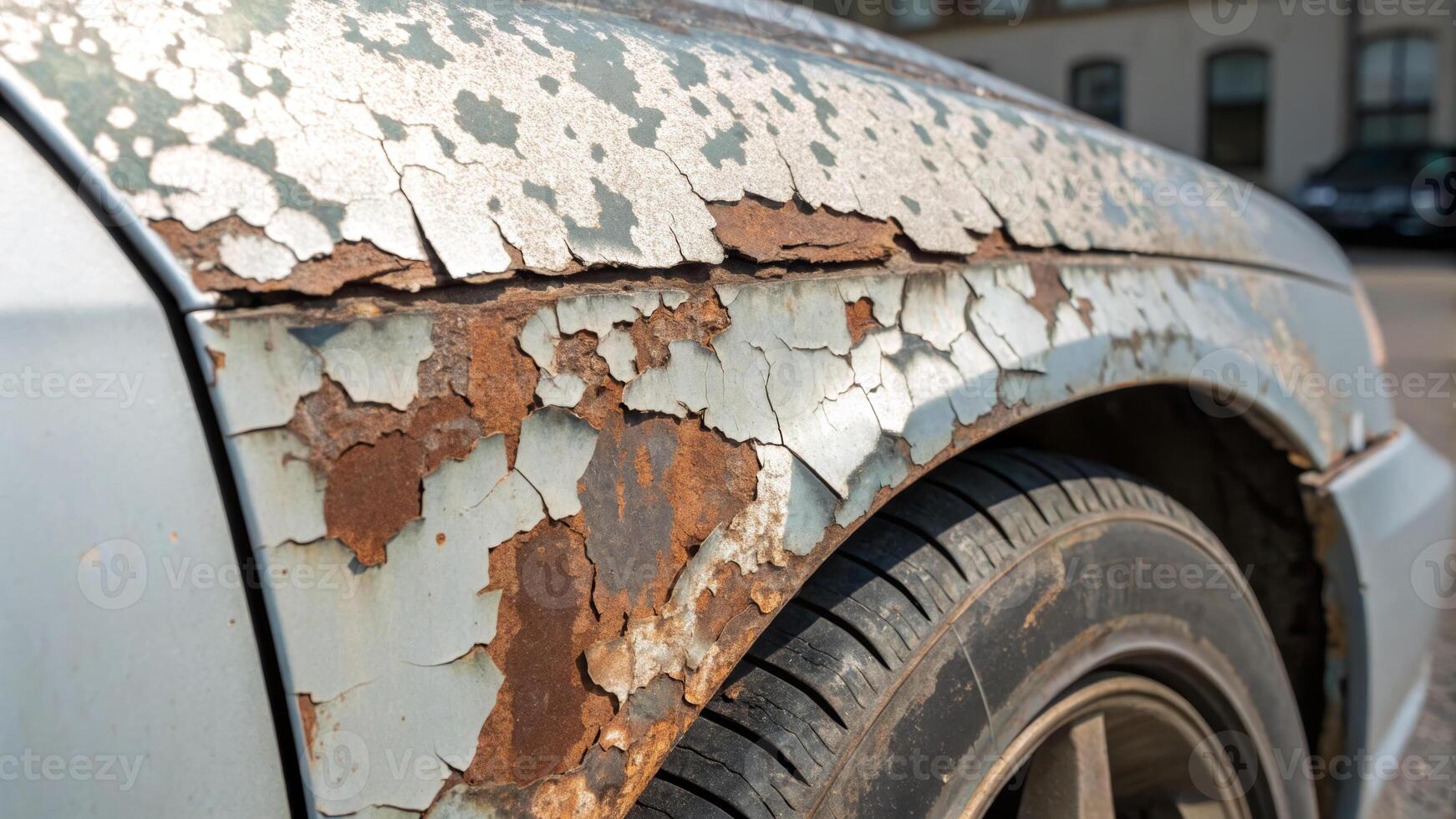
How to manage coating delamination coating delamination represents the most critical failure mode in industrial asset management. It is not merely a cosmetic blemish or an aesthetic oversight; it is a structural decoupling where the engineered barrier loses its adhesion to the substrate, rendering the underlying material vulnerable to the rapid, systemic onset of corrosion. When an asset manager identifies separation between layers or between the coating and the steel, they are not looking at a maintenance task—they are witnessing the failure of the initial engineering strategy.
Managing this separation requires a transition from reactive surface repair to forensic analysis. The complexity of the issue lies in the myriad pathways that lead to bond loss, ranging from microscopic contamination during application to the long-term thermodynamic stresses of the operational environment. Effective intervention demands an understanding of surface tension, cross-link density, and the electrochemical potential at the interface layer. This article provides a deep-dive investigation into the diagnosis, mitigation, and long-term governance of inter-coat and adhesive failure.
Understanding “how to manage coating delamination”
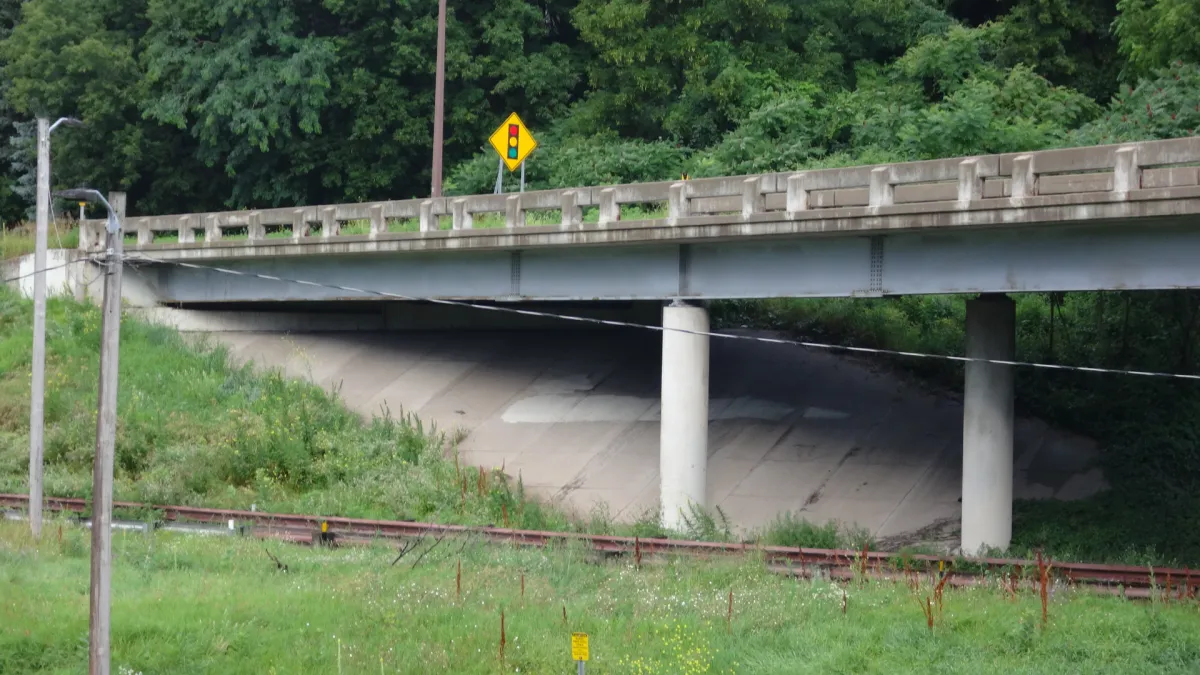
When practitioners ask how to manage coating delamination, they are often seeking a singular solution to a multi-variable problem. In the professional sector, managing this phenomenon is not about “fixing” the paint; it is about addressing the root cause of the adhesion loss. A common misunderstanding involves the belief that sanding and over-coating will provide a permanent solution. This approach rarely addresses the underlying chemical incompatibility or substrate contamination that triggered the failure, often resulting in a recursive cycle of recurring delamination.
Oversimplification risks are extreme. If the failure is cohesive—occurring within the body of the coating—the problem may be the chemistry itself, or an application error like improper catalyst ratios. If the failure is adhesive—at the substrate interface—the culprit is likely surface preparation or residual moisture. Therefore, how to manage coating delamination requires a systematic, evidence-based triage.
Deep Contextual Background: The Physics of the Interface
How to manage coating delamination historically, coating failure was managed through brute-force methods: stripping, blasting, and recoating. As industrial systems evolved toward thinner, higher-strength, and more chemically resistant resins, the interface physics became more sensitive. Modern polymer systems depend on a precise, microscopic anchor pattern (the “profile”) created during abrasive blasting.
The transition from traditional, forgiving resins to modern, high-performance systems has increased the demand for forensic discipline. The evolution of remediation has followed this, moving toward diagnostic tools that analyze the chemical signature of the failure site.
Conceptual Frameworks and Mental Models How To Manage Coating Delamination
To effectively manage separation events, engineers employ several critical models:
-
The Anchor-Bond Model: Viewing the surface profile as a mechanical lock that must be maintained throughout the life of the coating.
-
The Osmotic Pressure Model: Explaining how trapped moisture or salts under a coating create pressure sufficient to “pop” the film off the substrate.
Key Categories of Failure and Decision Logic
Decision Logic: If the failure covers more than 20% of an asset, the decision logic dictates full removal. Patch repairs are only statistically sound for localized, isolated, and documented causes of failure.
Real-World Scenarios and Failure Modes How To Manage Coating Delamination
High-Humidity Structural Steel
An unexpected rain event during the curing phase leads to “blushing.” If this layer is covered by a topcoat, the entire assembly will delaminate months later. Remedy: The blush must be removed through solvent cleaning before over-coating.
Chemical Tank Lining
The chemical environment changed, exceeding the resin’s resistance. The failure is cohesive. Remedy: Total system replacement with a higher-performance Novolac chemistry. Second-order effects: The old resin may have leached into the concrete, requiring deep abrasive cleaning to prevent future bond issues.
Planning, Cost, and Resource Dynamics
Remediation cost is non-linear; the complexity increases exponentially with the failure area.
The Opportunity Cost of failure includes not just the repair, but the loss of production and the increased risk to structural integrity.
Tools, Strategies, and Support Systems How To Manage Coating Delamination
-
Pull-off Adhesion Testers: Quantifying the actual bond strength (psi).
-
Soluble Salt Meters: Detecting the invisible ions causing osmotic failure.
-
Cross-hatch Cut Testers: A rapid field check for inter-coat adhesion.
-
Abrasive Blasting Equipment: For restoring the substrate profile.
-
Digital Diagnostic Logs: Tracking failure sites to identify systemic “hot spots.”
Risk Landscape and Failure Modes
Failures are rarely independent. A compounding risk occurs when a patch repair is applied to a failing system; the stresses of the new material often accelerate the failure of the old. Taxonomy:
-
Contamination Cascades: Using contaminated cleaning agents that leave a film.
-
Environmental Instability: Attempting repairs during dew-point-prone conditions.
-
Material Mismatch: Applying a new, higher-modulus resin over an older, flexible film.
Governance, Maintenance, and Long-Term Adaptation How To Manage Coating Delamination
A structured program ensures that failure does not become a recurring cost:
-
Layered Checklist: Verification of humidity, surface salts, and profile before remediation.
-
Trigger-Based Analysis: Every instance of delamination must be photographed, logged, and analyzed for root cause.
-
Review Cycles: Biannual audit of repaired sites to assess if the remediation has stabilized the asset.
Measurement, Tracking, and Evaluation
-
Leading Indicators: Salt concentration reports, dew point variance logs, adhesion test results.
-
Lagging Indicators: Total square footage of delamination repaired annually; cost per asset per year.
-
Documentation Example: An asset “failure dossier” that compiles the initial application report, the forensic analysis of the delamination, and the subsequent remediation logs.
Common Misconceptions and Oversimplifications How To Manage Coating Delamination
-
“Cleaning the surface is enough.” If soluble salts are present, surface cleaning will only trap them.
-
“Sanding the edges will hold the patch.” Patch repairs require a wide “feathering” zone to reduce stress concentration at the interface.
-
“It’s just a bad batch of paint.” Almost never the case; environmental and prep variables are far more common drivers.
-
“Painting over rust is a solution.” It is a temporary obscuration that will lead to rapid sub-film corrosion.
Conclusion
Successfully navigating the process of how to manage coating delamination requires a shift from superficial repair to forensic engineering. By understanding the physics of the bond and the specific failure modes of the polymer chemistry involved, asset managers can implement remediation strategies that are durable and fiscally sound. Managing separation is about restoring the integrity of the barrier-substrate union. True success is found not in the speed of the patch, but in the analytical rigor used to diagnose the cause, ensuring the asset is protected for the entirety of its projected lifecycle.
Leave a Reply