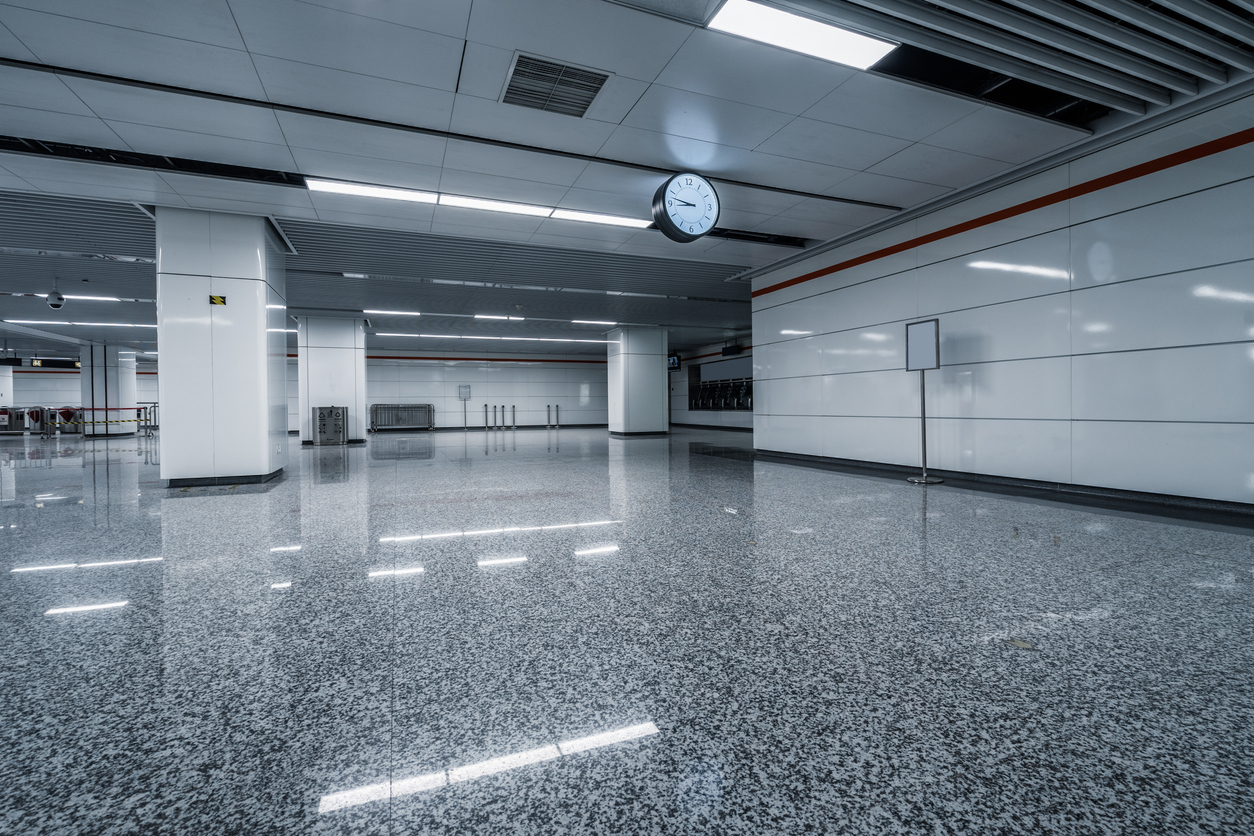
Best epoxy coating options the selection of a protective floor or substrate treatment is rarely a matter of simple aesthetics. In high-traffic industrial, commercial, and specialized residential environments, the barrier between a concrete substrate and its operational hazards is a sophisticated chemical assembly. When we discuss long-term asset protection, the focus shifts from off-the-shelf kits to the rigorous engineering of resinous flooring systems designed to withstand thermal shock, chemical ingress, and mechanical abrasion.
The discourse surrounding resinous flooring often suffers from a lack of technical nuance. It is common to see retail-level marketing conflated with industrial-grade engineering, resulting in high failure rates when systems are applied in environments they were never designed to inhabit. True performance is predicated on the synergy between the substrate’s porosity, the resin’s molecular weight, and the environmental conditions present during the cure.
This analysis provides a deep-dive investigation into the selection, application, and governance of high-performance resinous coatings. It avoids the superficiality of consumer-grade “do-it-yourself” advice, focusing instead on the empirical realities of polymer chemistry, structural integrity, and long-term lifecycle management for those responsible for mission-critical infrastructure.
Understanding “best epoxy coating options”
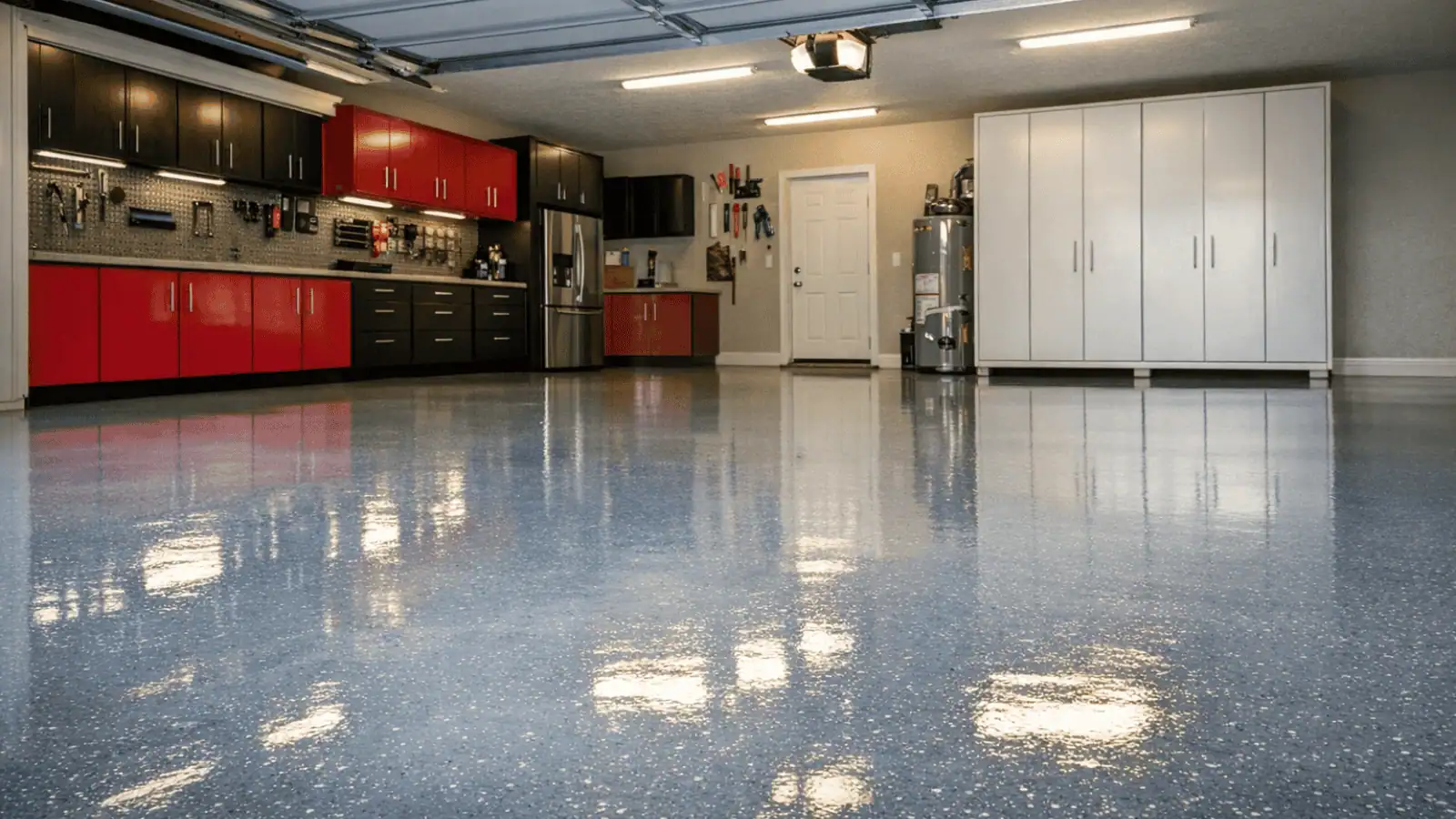
Defining the “best” in a technical context is a process of elimination rather than selection. The best epoxy coating options are those that offer the highest degree of mechanical and chemical compatibility with the specific substrate and operational environment, not merely the most durable formulation on a data sheet. Misunderstandings abound here; an industrial-grade novolac epoxy, while chemically superior in a high-acid facility, may be a catastrophic failure in a high-UV, outdoor-exposed architectural application.
The risk of oversimplification is high. A common error is the assumption that high solids content equals high quality. While higher solids generally reduce shrinking during cure, they also require significantly more sophisticated application techniques and climate control. Therefore, “best” is a relational term—it signifies the optimum point of convergence between moisture vapor transmission rates (MVTR), expected impact loads, and the specific chemical profile of the end-use environment.
Deep Contextual Background: The Evolution of Polymer Flooring
Best epoxy coating options the journey from early epoxy resins, which were notoriously brittle and prone to yellowing, to the modern generation of cycloaliphatic amines and polyaspartic hybrids has been driven by industrial necessity. Historically, the primary goal was basic surface hardening. Today, the design criteria have shifted toward flexible, high-build systems capable of bridging hairline cracks in concrete while maintaining extreme chemical resistance.
This evolution is fundamentally a story of molecular tailoring. Engineers now specify polymers with specific cross-linking densities, allowing for a level of customization—such as electrical conductivity, anti-microbial properties, or high-traction profiles—that was technologically impossible two decades ago.
Conceptual Frameworks and Mental Models Best Epoxy Coating Options
To manage these systems effectively, one must adopt three primary models:
-
The Substrate-Interface-Film Model: Recognizes that the coating’s failure almost always occurs at the interface layer.
-
The Permeability Equilibrium Model: Essential for analyzing concrete slabs; the coating must allow the concrete to “breathe” or be moisture-tolerant to avoid delamination via hydrostatic pressure.
-
The Mechanical Stress Distribution Model: Viewing the coating as a load-transfer mechanism that distributes impact and rolling loads into the slab rather than absorbing them at the surface.
Key Categories and Comparative Dynamics
| Category | Typical Use Case | Primary Limitation |
| Bisphenol A Epoxies | Standard warehouse floors | Poor UV stability; yellowing |
| Novolac Epoxies | Chemical secondary containment | High brittleness; slow cure |
| Water-Based Epoxies | Residential/low-traffic areas | Low chemical/abrasion resistance |
| Polyaspartic Hybrids | Fast-cure rapid return-to-service | Requires specialized application |
| Conductive/ESD Epoxies | Electronics manufacturing | Requires complex grounding grid |
Decision Logic: When evaluating the best epoxy coating options, filter choices through a “Critical Failure Risk” matrix. If the substrate is a slab-on-grade without an effective vapor retarder, the decision logic dictates moving away from traditional dense epoxies toward high-permeability or moisture-tolerant cementitious-urethanes.
Real-World Application Scenarios Best Epoxy Coating Options
Pharmaceutical Cleanroom
The constraint is zero tolerance for dusting and extreme chemical resistance to sterilization agents. The decision point is selecting an aliphatic-base coat to prevent chalking under high-intensity LED or UV lighting. Failure mode: Outgassing during cure.
Food Processing Facility
High thermal shock is the primary stressor (hot steam cleaning vs. cold rinse). Here, the best epoxy coating options are actually cementitious-urethane composites, which have a thermal expansion coefficient similar to concrete. Failure mode: Delamination due to thermal mismatch.
Planning, Cost, and Resource Dynamics
Investment in floor systems must be viewed over a 15-to-20-year horizon.
| Factor | Range (Estimated) | Impact on Performance |
| Surface Prep (Mechanical) | $1.50 – $4.00/sq.ft | Highest |
| System Material Cost | $2.00 – $8.00/sq.ft | Moderate |
| Maintenance/Reseal | $0.20 – $0.50/sq.ft/yr | Moderate |
Opportunity costs are often ignored. Choosing the “cheaper” system usually results in a 3-year refresh cycle, which causes significant operational downtime.
Tools, Strategies, and Support Systems Best Epoxy Coating Options
-
Calcium Chloride/RH Tests: For moisture vapor testing.
-
Diamond Grinders/Shot Blasters: For achieving the necessary CSP (Concrete Surface Profile).
-
DFT (Dry Film Thickness) Gauges: For quality verification.
-
Mixing Precision Tools: Automated dispensing units prevent ratio imbalances.
-
Climate Control Modules: Industrial dehumidifiers and heaters.
Risk Landscape and Failure Modes
Taxonomy of risk:
-
Adhesive Failure: Due to contaminants (oils, silicates) on the concrete.
-
Cohesive Failure: Often caused by improper mixing or exceeding the pot life.
-
Osmotic Blistering: The result of trapped moisture reacting with ionic contaminants in the concrete.
Governance, Maintenance, and Long-Term Adaptation Best Epoxy Coating Options
A system is only as good as its maintenance protocol.
-
Review Cycles: Annual audit of high-traffic zones.
-
Adjustment Triggers: If coating thickness decreases by 20% due to abrasion, a topcoat refreshment is required before the primer layer is breached.
-
Checklist: Documenting daily usage, spill types, and cleaning methods.
Measurement, Tracking, and Evaluation
-
Leading Indicators: Surface profile cleanliness test (water drop test), humidity at time of application.
-
Lagging Indicators: Coating loss per unit of traffic, chemical staining rate.
-
Documentation: Maintain an “Asset Passport” for the slab, including installation batch numbers, humidity logs, and site-specific photos.
Common Misconceptions and Oversimplifications Best Epoxy Coating Options
-
“Epoxy seals the floor.” It is not a perfect seal; water vapor can pass through or build pressure beneath.
-
“Thicker is better.” Excess thickness increases internal stress and risk of cracking.
-
“High-gloss is more durable.” Gloss is aesthetic; durability is dictated by the resin matrix and aggregate fillers.
-
“It’s maintenance-free.” All resins require chemical-neutral cleaning and eventual topcoat refreshing.
Conclusion
The pursuit of the best epoxy coating options requires a departure from simplistic product comparisons toward a deep, systems-based engineering methodology. By recognizing that the floor is a structural assembly subject to dynamic environmental forces, stakeholders can make informed decisions that extend asset life and maximize performance. Ultimately, the best epoxy coating options are those that are correctly specified, perfectly applied, and rigorously maintained, transforming a vulnerable concrete surface into a resilient, long-term operational asset.
Leave a Reply